
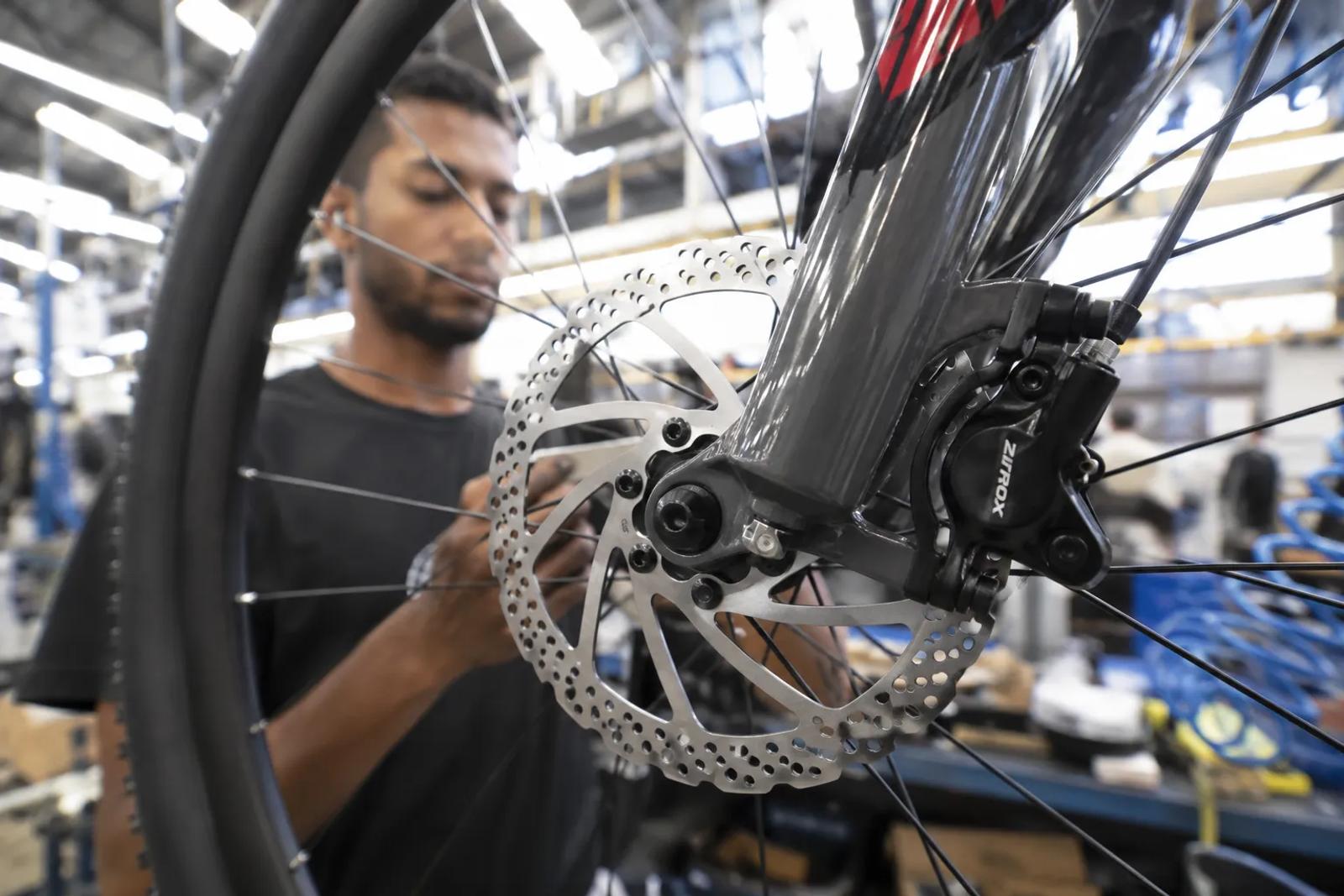
E-Bike Frame Sourcing for Brazil: Corrosion-Resistant 6061-T6 Aluminum for Tropical Fleets
Hey. I'm Leo Liang. I do sales for ClipClop Bike — that factory in Guangzhou you've probably seen on Alibaba if you've ever searched "fat tire e-bike OEM" at 2 AM. I've been at this since 2017. Seen
Hey. I'm Leo Liang. I do sales for ClipClop Bike — that factory in Guangzhou you've probably seen on Alibaba if you've ever searched "fat tire e-bike OEM" at 2 AM. I've been at this since 2017. Seen
The structural chassis of an electric bicycle bears the combined dynamic stresses of motor torque, battery payload, and continuous commercial duty cycles. For OEM buyers, commercial fleet operators, and distributors, specifying e-bike frame manufacturing requires rigorous evaluation of hydroformed 6061-T6 and 7005 aluminum alloy chemistry, automated robot welding penetration, and post-weld T4/T6 artificial aging heat treatments to satisfy ISO 4210 and EN 15194 fatigue standards. This technical analysis outlines factory-floor quality benchmarks for high-volume frame production.
Commercial partners can inspect our manufacturing infrastructure on our OEM/ODM E-Bike Manufacturing Facility page, review standard configurations on our CS01 Fat Tire & CS04 Commercial Utility Platforms, or directly request volume FOB terms via our Commercial Quote Request Portal (MOQ 20).
2026 is… a lot. The Brazilian market is absolutely on fire right now. Every week I get messages from importers in São Paulo, Rio, Belo Horizonte. They all want the same thing: the "best" frame material. And honestly? Most of them are asking the wrong question.
Let me back up.
Our flagship model is the L1. It's a 48V 750W fat-tire e-bike with a 6061 aluminum frame, 20×4.0 tires, hydraulic disc brakes, and a battery setup that the website claims is 874Wh. Real talk? The standard 48V 15Ah pack is 720Wh. Marketing rounds up. I don't write the copy, I just sell the thing. Peak power hits 1200W, which is plenty for the hills I've seen in Brazil.
Anyway. Frame materials.
Carbon fiber. Everyone wants it. Sounds premium. Looks great in photos. I had this client — let's call him "Carlos" — from São Paulo. Super nice guy. Insisted on carbon fiber frames for his first 200-unit order. I told him, look, carbon is amazing for road bikes. Stiffness-to-weight ratio is unbeatable. But for a 39kg fat-tire e-bike? You're adding $300 per unit minimum, and for what? The motor and battery already weigh a ton. Carlos didn't listen.
Six months later he emails me. Not angry, just… tired. Three frames cracked during shipping. Not our fault — the freight company in Santos dropped a pallet. But carbon doesn't forgive. Once it's cracked, it's trash. No repair shop in Brazil wanted to touch it. He ended up writing off almost 15% of that batch.
A blogger I follow — I think his handle is something like "EbikeRealTalk" — put it perfectly last month. He said carbon fiber "absorbs impact like a prima ballerina." Beautiful, but one wrong move and it's over. For e-bikes in Brazil, where roads aren't always smooth and humidity eats everything? I personally think it's overkill.
Download the 2026 ClipClop Factory Catalog (PDF)
Full e-bike specs, motor & battery options, MOQ, and container loading details.
Steel. Now here's where I get a little controversial.
Steel rides like a dream. That compliance? You feel it. It's forgiving, repairable, and honestly? It looks classic. But Brazil is humid. Really humid. I remember visiting Rio in 2019 and seeing a steel-frame bike that was basically orange after one year. Our factory uses 6061 aluminum on the L1 specifically because aluminum forms that oxide layer. It protects itself. Steel just… rusts.
There's a frame builder in Curitiba I used to follow on Instagram. He builds gorgeous steel frames. Custom stuff. He posted last year that he stopped offering steel for e-bikes because "clients kept bringing them back with frame rot after eight months." That's a direct quote. I DM'd him. He said the combo of moisture + road salt + the extra torque from a 750W motor was just murdering the bottom brackets.
So steel's out. At least for mass-market e-bikes in Brazil. Sorry, steel fans. I love it too. But I'm not trying to sell you a maintenance nightmare.
Which brings us to aluminum.
This is where I get biased. I admit it.
Our L1 uses 6061 aluminum. Not because it's the cheapest — though it is cheaper than carbon — but because it hits the sweet spot. You can hydroform it into weird shapes. We do that on the L1 frame to route cables internally and keep the lines clean. You can butted the tubes — thin in the middle, thick at the welds — which saves weight without sacrificing strength.
Here's something most buyers don't think about: repairability. Aluminum isn't easy to repair either, but here's the thing — it's so much cheaper to replace. A cracked aluminum frame? You swap it. A cracked carbon frame? You cry.
I had another client, from Belo Horizonte. Let's call her "Mariana." She ordered 50 L1 units for a rental fleet in 2024. I remember her specifically asking: "Leo, why not titanium?" I laughed. Titanium is incredible. Fatigue resistance for days. But the cost? For a rental e-bike that tourists are going to drop on the beach? No way. She went with aluminum. Two years later she reordered 100 units. Said the frames held up fine. A few scratches, sure. But nothing structural.
The weight thing is funny too. People obsess over frame weight. The L1 is 39kg. The frame is maybe 3-4kg of that. Even if you cut the frame weight in half with carbon, you're saving… what, 2kg? On a 39kg bike? That's like putting racing stripes on a bus.
A YouTuber I watch — "Pedal Electric" or something — did this test last year. He took a carbon e-bike and an aluminum e-bike up the same hill. Same motor, same battery. The carbon one was 1.8kg lighter. The time difference? Four seconds. Four. Seconds. He literally said, "If you're not racing, you're paying for vanity." I showed that video to three clients. Two of them switched from carbon quotes to aluminum.
Now, aluminum isn't perfect. I'll say that loudly.
Fatigue life is real. Aluminum has a fatigue limit. Ride it hard enough, long enough, and it will crack. But here's my honest take: by the time an aluminum e-bike frame fails from fatigue, the motor's probably dead, the battery's degraded to 60% capacity, and the display looks like a potato. You're talking 5-7 years of heavy use. Most commercial fleets in Brazil rotate bikes every 3-4 years anyway.
And yeah, the ride quality. Aluminum is stiffer than steel. Some people say it's harsh. But the L1 has 175mm travel suspension fork, 4-inch fat tires, and a padded saddle. The frame stiffness is the least of your comfort worries. Trust me. I've ridden this thing over potholes in Guangzhou that would swallow a scooter.
One more thing about Brazil specifically.
Import taxes are brutal. Every dollar you add to the BOM (bill of materials) gets multiplied at customs. Carbon fiber frames aren't just expensive to buy — they're expensive to import, expensive to insure, and expensive to replace. Aluminum keeps your landed cost sane. I've seen importers lose their margin entirely because they spec'd carbon and didn't account for the insurance premium.
There's this Brazilian e-bike blogger — I think his site is "Bicicleta Elétrica BR" — who wrote in January 2026 that "aluminum is the only material that makes sense for the Brazilian market at scale." I don't agree with everything he says (he hates fat tires, which is weird), but on this? He's spot on.
So here's my unpopular opinion, which is also my professional opinion
For Brazilian importers in 2026, buying e-bikes for retail, rental, or delivery fleets? Aluminum. Specifically 6061. Hydroformed if you can get it. Don't chase carbon fiber. Don't romanticize steel. And unless you're selling luxury bikes to doctors in Jardins, don't even whisper the word titanium.
The L1 isn't perfect. Nothing is. The welds aren't hand-filed like a custom frame. The paint can chip if you throw it around. But the frame? It'll outlast the electronics. It'll survive a Brazilian summer. And when your customer brings it back after three years of daily use, the frame will still be straight.
That's the material I bet my commission on.
ClipClop Manufacturing Standards & Build Quality
Looking for production-grade e-bike manufacturing? Explore our ClipClop L1 All-Terrain Fat Bike (Brazil Edition) and our ClipClop M26 Mountain E-Bike, engineered with factory-direct OEM customization from 10 units.
If you're sourcing e-bikes for Brazil and want to argue with me about this, my inbox is open. I love a good fight. Just don't send me a link to a carbon fiber road bike review and tell me it's the same thing. It's not.
-Leo
ClipClop Bike
Guangzhou, 2026
Commercial Procurement & Fleet Sourcing with ClipClop
Deploying electric bicycle fleets or distributing private-label e-bikes requires a trusted manufacturing partner capable of consistent container-level production, robot-welded frame alignment, and rigorous batch QC. From our 25,000 m² factory in Qingyuan, Guangdong, ClipClop provides end-to-end OEM/ODM electric bike manufacturing services with an accessible MOQ of just 20 units per SKU. Every container order includes dedicated spare parts allocation (2% free warranty backup components), full international compliance documentation (EN 15194, UL 2849, UN38.3), and 15-day sample dispatch.
Ready to evaluate engineering samples for the CS01 Fat Tire & CS04 Commercial Utility Platforms or review container FOB volume pricing? Visit our Commercial RFQ Portal to submit your technical specifications, or speak directly with our engineering sales team via our B2B contact desk.
Download the 2026 ClipClop Factory Catalog (PDF)
Full e-bike specs, motor & battery options, MOQ, and container loading details.
More OEM field notes.
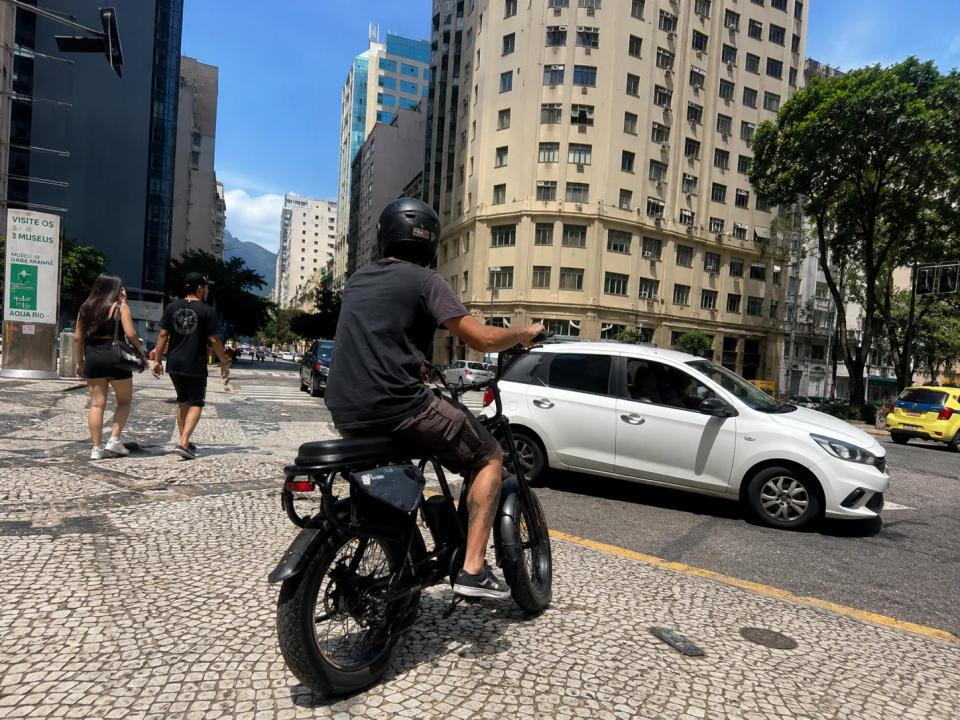
Tropicalized Heavy-Duty E-Bikes for Brazil: Reinforced Frames & 2.4"+ Tires for Fleets
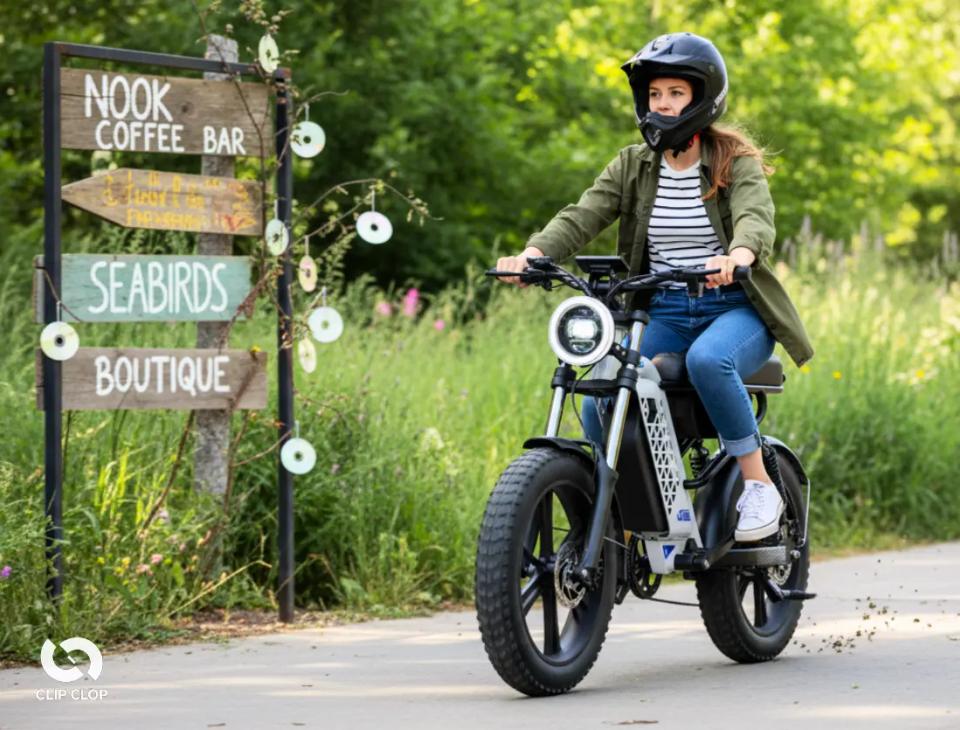
Eco-Conscious E-Bike Manufacturing: Recycled Aluminum, RoHS Compliance & Green Supply Chains
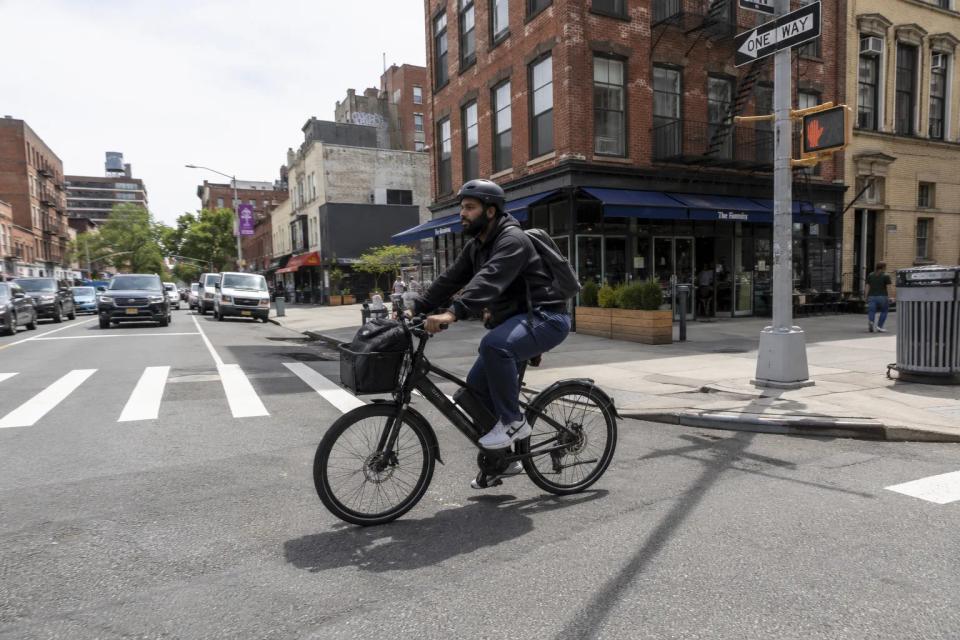
NYC Commercial Delivery E-Bikes: UL 2849 Compliance, Heavy Cargo & Fleet Specifications
Global E-Bike Industry Forecast 2026-2030: Sourcing Volumes, Segments & Importer Playbook
Send your brief. We will field-note back.
Reply includes the feasibility view, sample cost, MOQ, and the next step for your project. We aim to respond within 48 hours.