
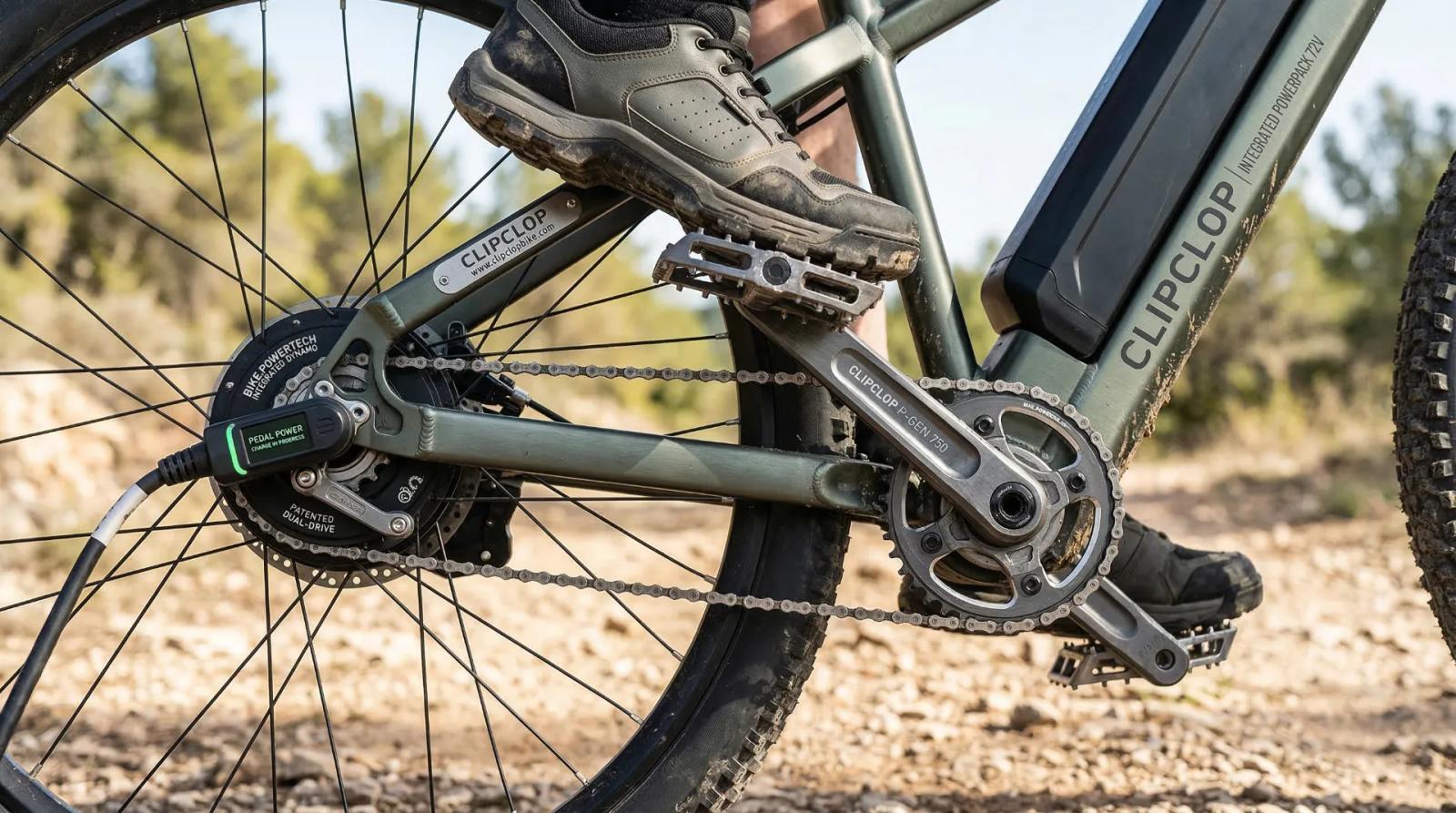
Digital Drivetrains & Series-Hybrid E-Bikes: Why Chainless Generator Tech Suits Commercial Cargo Fleets
Hey there! Leo Liang here from ClipClop E-Bike. So with all these new e-bike laws and regulations hitting in 2026, lots of riders are dealing with restrictions or forced upgrades. Kind of a pain,
Hey there! Leo Liang here from ClipClop E-Bike. So with all these new e-bike laws and regulations hitting in 2026, lots of riders are dealing with restrictions or forced upgrades. Kind of a pain,
Series-Hybrid & Digital Drivetrains: Efficiency Losses, Generator Kinematics & Commercial Cargo Applications
Commercial partners can inspect our manufacturing infrastructure on our OEM/ODM E-Bike Manufacturing Facility page, review standard configurations on our CS01 Fat Tire & CS04 Commercial Utility Platforms, or directly request volume FOB terms via our Commercial Quote Request Portal (MOQ 20).
In consumer marketing, 'pedal-charging' e-bikes are frequently misconstrued as perpetual-motion machines. From a thermodynamic and electromechanical perspective, human leg power converted through an alternator-generator directly to an electric motor incurs double conversion losses (mechanical to electrical, then electrical back to kinetic motion), dropping overall powertrain efficiency from 96% (traditional chain or Gates carbon belt) down to 68%–74%. In standard commuter two-wheelers, this efficiency penalty renders pure pedal-generator systems unviable for mass-market adoption.
However, in enterprise commercial cargo fleets, multi-wheel delivery trikes, and quadricycle logistics platforms, series-hybrid digital drivetrains (such as Schaeffler Free Drive or ClipClop digital drive concepts) solve monumental operational pain points: the total elimination of long, high-maintenance chain routing, zero derailleur damage, computerized electronic reverse gear, and programmable cadence resistance tailored to commercial couriers operating with 250kg payloads.
| Powertrain Type | Mechanical Efficiency | Maintenance Cycle | Packaging Complexity | Optimal Commercial Fleet |
|---|---|---|---|---|
| Digital Series-Hybrid (Chainless) | 68%–74% (Dual Conversion) | Zero Chain/Derailleur Upkeep | Low (Pure Wire Harness) | Heavy 3-Wheel & 4-Wheel Postal Cargo |
| Carbon Belt Drive + IGH Hub | 92%–95% (Single Stage) | 25,000 km Belt Lifespan | Medium (Belt Tensioning) | Urban Delivery (CS01 Cargo / L1 Pro) |
| Traditional Derailleur & Chain | 95%–97% (When Clean) | 1,500 km Chain Replacement | High (Exposed Gearing) | Budget Commuter & Light Consumer |
Pretty self-explanatory from the name. You pedal, you generate power. Kinetic energy becomes electrical energy. Helps accelerate the bike. Basically turns a regular bicycle into an electric one.
Sounds great on paper. Energy saving. Eco-friendly. Green travel concept. Near zero emissions. All that good stuff.
But does it actually work well in real life? That's the real question.
Download the 2026 ClipClop Factory Catalog (PDF)
Full e-bike specs, motor & battery options, MOQ, and container loading details.
How Do These Things Actually Work?
Right now there are two main types floating around the market.
First type puts a power generation device on the wheel. Some shared bikes use this - chainless transmission on the wheels. Power generation device integrated into the rear hub. Rolling axle drives internal magnetic module displacement while riding. Uses magnetic electricity generation principles. Rider basically works to generate their own power.
But shared bike companies realized something. The power generation wasn't stable enough for their smart locks. So they improved things. Ditched the built-in generation drum. Added regular bike chains and chainrings instead. Put solar panels in the basket. Made riding lighter and easier.
Second type? Hydrogen powered bicycles. These add a hydrogen generator and storage device to a regular bike. Like an EV with a battery, but hydrogen. Fuel cell generates kinetic energy through electrochemical reactions. Fancy stuff.
The Market Reality Check
Here's the thing though. Very few e-bikes on the market right now rely solely on pedaling for power generation. Let me explain why.
What Riders Actually Experience
At the start, when you're driving that generator? It feels like a struggle. Speed picks up, you hear this buzzing from the rear drum. That's the generator's electric brush. Annoying.
The design just doesn't give users a good riding experience. Wheels feel heavy to press. Starting is really difficult. Not fun.
Hydrogen bikes ride better. Still need to pedal, but speed hits 23km/h max. Regular e-bikes do 25km/h. Close enough.
Hydrogen bikes handle temperature well. Summer or winter, output stays normal and stable. Range barely changes.
But here's the kicker. Hydrogen bikes look like regular bicycles but cost 12,000 yuan. That's about enough to buy three ordinary electric bikes. For similar speed. Seems unnecessary, right?
The Technology Problems
Hydrogen bicycle industry is still figuring things out. Lots of pilot projects. Demonstration stuff. Not mainstream yet.
E-bike tech that drives electric motors through cycling generates power in three main ways.
First is frictional power generation. Bicycle tires generate electricity through friction. Problem? Resistance increases way too much. Only way to generate power is by riding hard. Kinetic energy comes from your legs. Only at high speeds does the motor help.
Second type uses flower drum power generation. Same problem. Resistance issues persist.
Third uses magnetic induction. Not widely applied in the market. Proves the tech isn't popularized yet. Still improving.
Current common tech for charging bikes? Just assists riding. Electric motor power generation. Some bikes have energy recovery technology. Reverse charging system lets you charge while riding. Also recovers energy while coasting downhill. Charges while riding. Increases range.
Where This Tech Actually Gets Used
Pedal charging tech on the market usually shows up on spinning bikes. Kinetic energy from cycling converts to electricity. Charges your devices while you work out.
Latest pedal charging e-bikes use smooth magnetic plate design. Reduces noise while cycling. Adjustable resistance gears. Users pick low resistance for easy warm-up or high intensity for challenging limits. Each ride becomes more efficient and personalized.
Self-generating technology. Silent design. Convenient operation. Ideal for home fitness. But right now this tech only exists on home exercise equipment.
My Take: Will This Actually Become a Trend?
So here's my honest opinion after working at ClipClop E-Bike. Pedal charging bikes sound amazing in theory. Free energy from pedaling? Sign me up.
But reality is messier. The resistance issue kills the riding experience. You're basically working harder to go slower. Most riders won't accept that trade-off.
Some bloggers I follow suggest the technology needs major breakthroughs. Magnetic induction shows promise but isn't ready for mass market. Too expensive. Too complicated.
Hydrogen bikes? Cool concept. Terrible price point. 12,000 yuan for bike-level performance? No thanks.
The spinning bike application makes sense though. You're already exercising. Generating power is a bonus. Different use case entirely.
For daily commuting? Pedal charging e-bikes haven't cracked the code yet. Maybe in a few years. Technology keeps improving. Costs might drop.
Green transportation is definitely the future. No question. But pedal charging bikes becoming the main urban transportation trend? That needs more time. More development. Better solutions.
ClipClop Manufacturing Standards & Build Quality
Looking for production-grade e-bike manufacturing? Explore our ClipClop L1 Pro Dual-Battery Fat Bike, engineered with factory-direct OEM customization from 10 units.
Right now I'd say stick with regular e-bikes for commuting. Wait and see if pedal charging tech matures. Keep an eye on it though. Things change fast in this industry.
What do you think? Would you ride a pedal charging e-bike? Drop your thoughts below!
Commercial Procurement & Fleet Sourcing with ClipClop
Deploying electric bicycle fleets or distributing private-label e-bikes requires a trusted manufacturing partner capable of consistent container-level production, robot-welded frame alignment, and rigorous batch QC. From our 25,000 m² factory in Qingyuan, Guangdong, ClipClop provides end-to-end OEM/ODM electric bike manufacturing services with an accessible MOQ of just 20 units per SKU. Every container order includes dedicated spare parts allocation (2% free warranty backup components), full international compliance documentation (EN 15194, UL 2849, UN38.3), and 15-day sample dispatch.
Ready to evaluate engineering samples for the CS01 Fat Tire & CS04 Commercial Utility Platforms or review container FOB volume pricing? Visit our Commercial RFQ Portal to submit your technical specifications, or speak directly with our engineering sales team via our B2B contact desk.
Download the 2026 ClipClop Factory Catalog (PDF)
Full e-bike specs, motor & battery options, MOQ, and container loading details.
More OEM field notes.
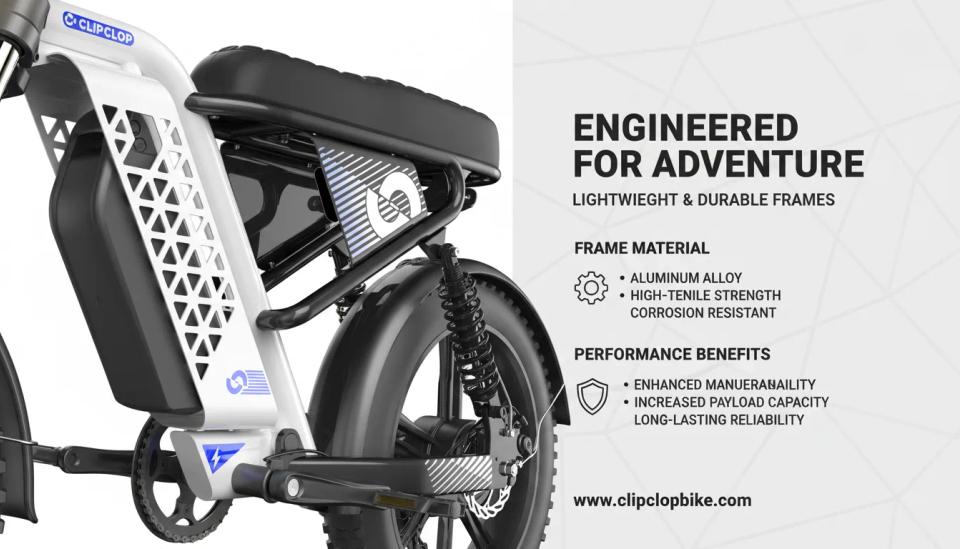
Finite Element Analysis (FEA) in E-Bike Frame Design: Simulating 100,000 ISO 4210 Cycles
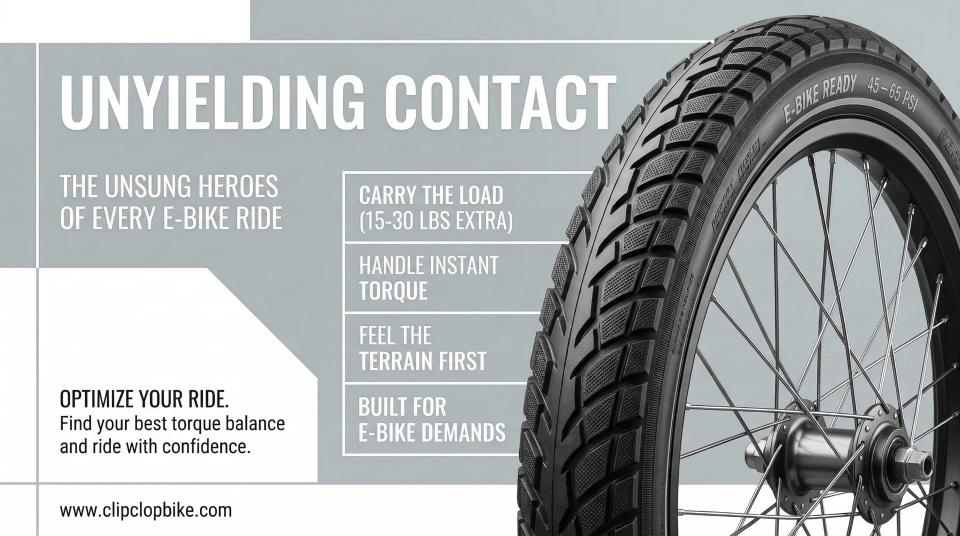
Commercial E-Bike Tire Sourcing: Puncture-Resistant Specifications for Heavy Fleets
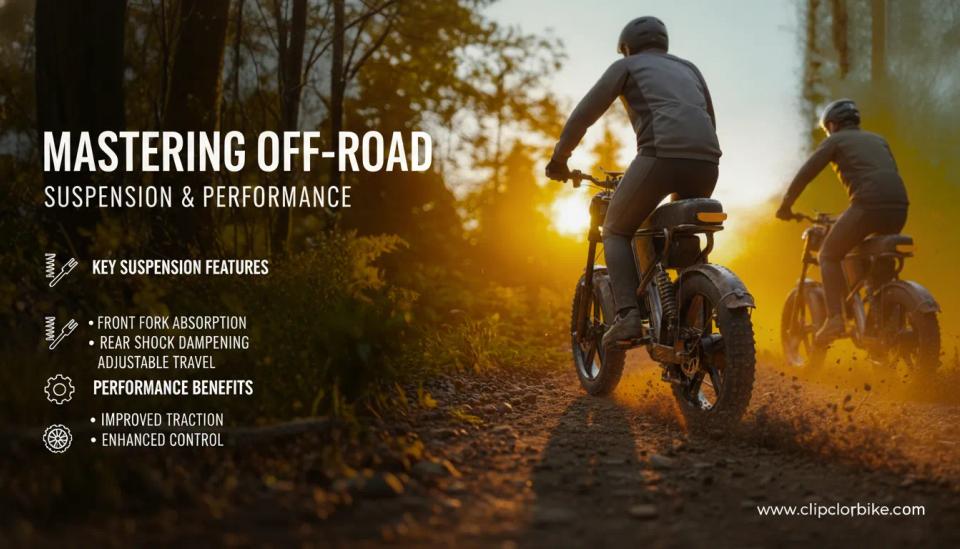
Suspension Systems on Off-Road E-Bikes: What Actually Makes Them “Great” for B2B
E-Bike Weight Sourcing Guide: Curb Weight, Packaging Tare & 40HC Container Logistics (2026)
Send your brief. We will field-note back.
Reply includes the feasibility view, sample cost, MOQ, and the next step for your project. We aim to respond within 48 hours.