
Top 10 Electric Bike Motor Manufacturers in China (2026)
Discover China's 10 best e-bike motor factories — from Bafang to QS Motor. Factory sourcing guide for US and UK retailers and wholesalers.
Discover China's 10 best e-bike motor factories — from Bafang to QS Motor. Factory sourcing guide for US and UK retailers and wholesalers.
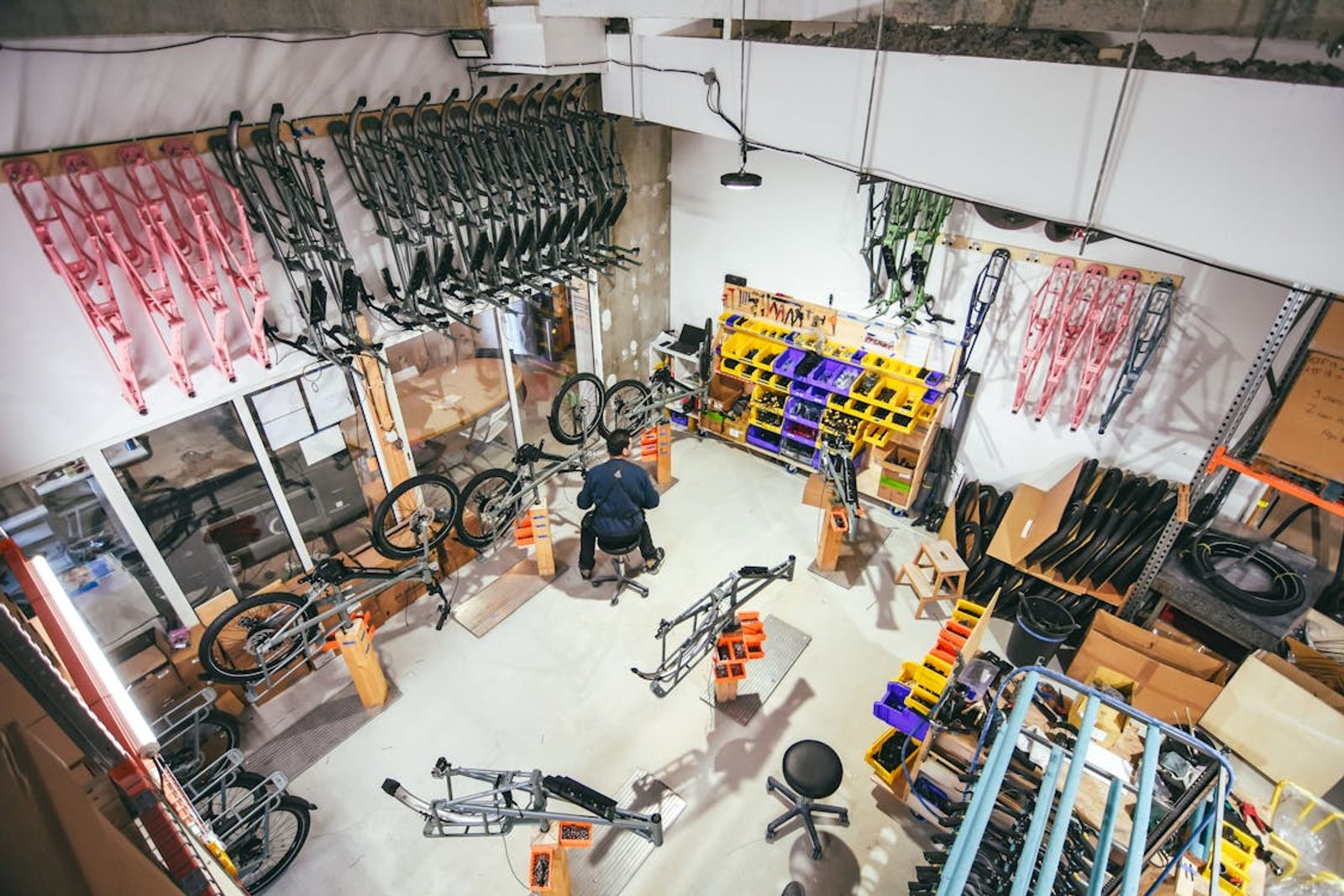
As an OEM/ODM manufacturer producing 10,000 complete electric bicycles monthly at our 25,000 m² facility in Guangqing Industrial Park (Shijiao Town, Qingyuan), ClipClop approaches motor procurement not as an outside spectator, but as an active tier-1 system integrator.
Commercial partners can inspect our manufacturing infrastructure on our OEM/ODM E-Bike Manufacturing Facility page, review standard configurations on our CS01 Fat Tire & CS04 Commercial Utility Platforms, or directly request volume FOB terms via our Commercial Quote Request Portal (MOQ 20).
OEM Procurement Notice: Turnkey E-Bike Integration with Tier-1 Chinese Motors
From Component Sourcing to Complete Turnkey OEM Manufacturing
For international bicycle brands, regional dealers, and delivery fleet operators, purchasing loose motors creates complex supply chain bottlenecks. Partnering directly with an ISO 9001 certified turnkey manufacturer like ClipClop delivers fully assembled, custom-branded electric bicycles with factory FOB Guangzhou pricing and dedicated container logistics.
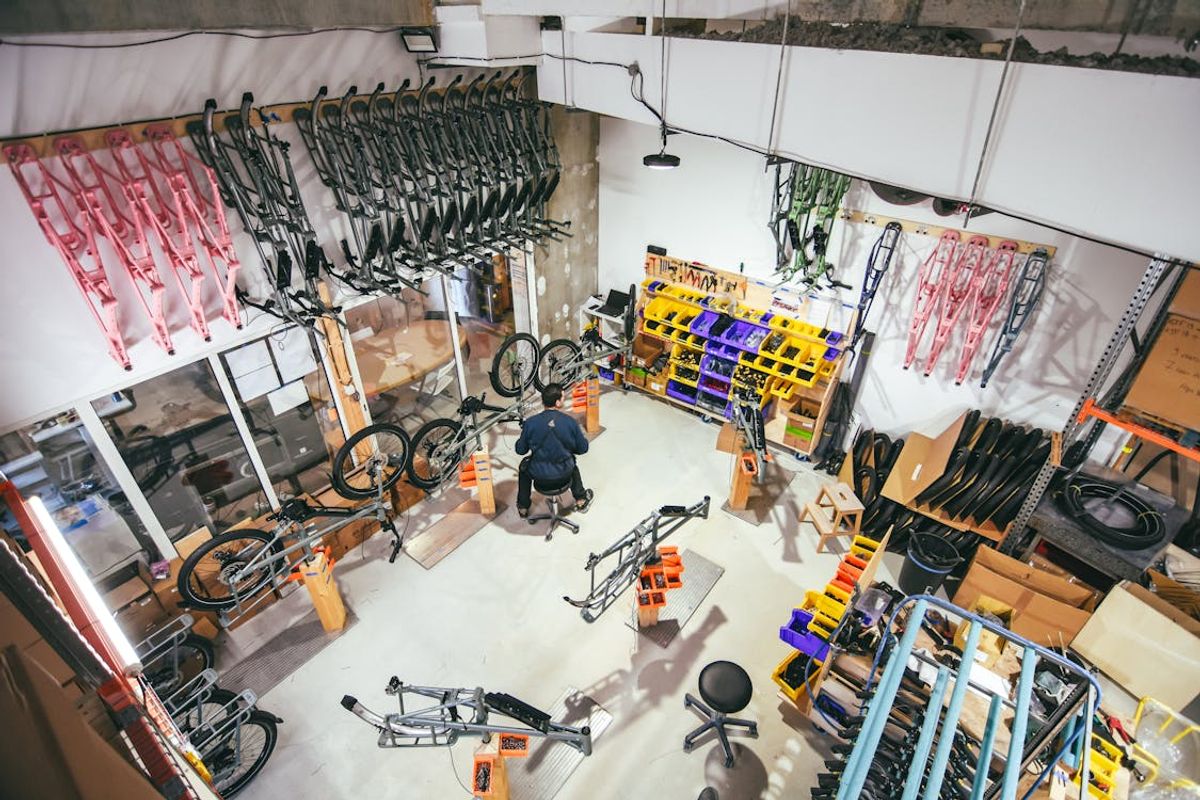
Selecting the ideal motor manufacturer requires looking far beyond catalog spec sheets. In our laboratory and assembly lines, ClipClop subjects every motor-controller pairing to 100% dyno bench load testing, assessing continuous versus peak torque under sustained grade resistance, thermal dissipation thresholds, and CAN-bus protocol synchronization to guarantee full compliance with EU EN 15194 (250W continuous) and US Class 1–3 regulations.
This article walks through the ten manufacturers I'd keep on my radar when sourcing motors from China. I've tried to be honest about where each one excels and where I'd have reservations. No universal "best" claims — that would be lazy and probably wrong for most buyers anyway.
Download the 2026 ClipClop Factory Catalog (PDF)
Full e-bike specs, motor & battery options, MOQ, and container loading details.
Understanding Electric Bike Motor Types
Before diving into specific manufacturers, I think it helps to get the motor types straight. Honestly, in my experience, a lot of the confusion buyers face comes down to not understanding the fundamental difference between hub motors and mid-drive motors. What I mean is, I've watched people spec motors that were technically excellent but totally wrong for their application. I'd say maybe half the inquiries I get start with the wrong question — something like "which motor is best" when the real question should be "which motor type is right for my use case."
Hub Motors
A hub motor is built directly into the wheel — either the front or rear hub. The motor drives the wheel directly without going through the bike's drivetrain. I've found hub motors are generally easier to live with for basic commuting setups. Installation is simpler, they work well with single-speed or internally-geared bikes, and they tend to be more forgiving when it comes to chain and cassette wear.
That said, they have real limitations. Honestly, front hub motors can feel strange on bumpy roads — you feel the front wheel pulling against your steering input, and it takes real muscle memory to stop noticing it. Rear hub motors solve that but introduce their own complications around rear wheel removal. And honestly, the torque delivery just isn't as natural as what a mid-drive can offer. You feel the motor pushing, rather than the motor amplifying what your legs are already doing.
Mid-Drive Motors
A mid-drive motor sits at the crank and drives the chainring, using the bike's existing gearing. This means the motor's power is modulated through the bike's transmission — which, in my experience, makes a huge difference on hills and varied terrain. You get more effective torque at the rear wheel without needing an absurdly powerful motor.
I will say — and I mean this from direct experience — mid-drives cost more and require more from the rest of the drivetrain. Chains and cassettes wear faster when a motor is applying real force through the gears. The Bosch eBike Motors subreddit is full of people complaining about chain wear — which tells me Bosch mid-drives are being used seriously, even if the owner's manual warnings about chain replacement intervals are being ignored. That kind of usage pattern is exactly what mid-drives are built for, and it tells you something about where the market has gone.
Key Factors When Choosing a Chinese E-Bike Motor Manufacturer
I'm not going to pretend there's a universal right answer here. What I can tell you is what I'd look at before signing a purchase order.
Power ratings and real-world output — Rated power and actual sustained output are different things. I'd want to see test data, not just datasheet numbers. Some manufacturers rate their motors optimistically; others are conservative. That gap between paper specs and real-world performance is where you get burned.
Quality consistency — For distributors and retailers, motor consistency matters as much as average quality. If you're getting 500 motors and three of them fail within a month, that's a support nightmare and a reputation hit. In my experience, the manufacturers who've been at this for 15+ years tend to have tighter QC — not always, but often enough that I'd use track record as a signal.
Torque sensor quality — This is where cheap hub motors really fall short and where mid-drives from serious manufacturers separate themselves. A good torque sensor reads your pedal input and modulates motor assistance within milliseconds. A mediocre sensor makes the motor feel laggy or surge-y. I'd test this on the actual bike, not just read the spec sheet.
Service and warranty support — China manufacturing has a bad reputation for post-sale support, and in some cases that's earned. The companies on this list have mostly built some kind of international service network, but the depth varies. I'd ask specifically about spare parts lead times and RMA processes before committing.
The Top 10 Chinese Electric Bike Motor Manufacturers
1. JinYuxing Electromechanical Technology
Location: Zhejiang Province | Established: 2002
JinYuxing is one of the older names in the Chinese e-bike motor space, and I think that longevity matters. Founded in Zhejiang — one of China's electric vehicle manufacturing heartlands — they've had time to work through the early-stage quality problems that sink a lot of their competitors.
Their product range covers both hub and mid-drive motors, with power outputs from 250W to 3,000W depending on the line. From what I've seen, they're particularly strong in the 250W to 750W range for urban e-bike applications. I'd say their sweet spot is street-legal European and North American market compliance — they seem to have invested seriously in UL certification and EN standards testing.
One thing I'd flag: JinYuxing tends to be more conservative in their power ratings than some competitors. A JinYuxing "750W" motor might genuinely outperform a competitor's "750W" motor in sustained output. I noticed this firsthand when I was reviewing motor data — the gap between rated and real-world output varies so much between manufacturers that specs alone are almost meaningless. That kind of honesty in specs is rare enough that I notice it.
Recent updates include expanded mid-drive lines targeting the North American fat-tire e-bike market, which tells me they're watching where the demand growth is.
2. Bafang
Location: Jiangsu Province | Established: 2003
Bafang is probably the most internationally recognized Chinese e-bike motor brand, and I'd say that recognition is earned. If you've ridden a non-Chinese branded e-bike in the last five years, there's a decent chance the motor inside was a Bafang. They make both hub and mid-drive systems, but I'd argue their mid-drives — particularly the BBS series — are what they're really known for.
The BBS02 and BBSHD are practically household names in the e-bike conversion world. I've converted a bike myself using a Bafang mid-drive kit, and the thing that struck me was how refined the assist feel was compared to the budget hub motors I'd used before. The torque sensor response is genuinely good — not quite Bosch-level, but closer than I expected for the price.
Their 2025 to 2026 product cycle has focused heavily on integration — motors designed to look like they belong in clean urban frames rather than obvious bolt-on conversions. That's a response to the growing premium e-bike market, and I'd say Bafang is ahead of most Chinese competitors on this. They're also expanding their software ecosystem, which matters more as bikes become connected devices.
Limitations? I'd say Bafang's support network outside of Europe is thinner than what you'd get with a Bosch or Shimano system. Parts are available, but finding a certified integrator in some North American markets can still be a challenge. If you are specing a full bike rather than a conversion, the motor is only one piece of the puzzle — you will also want to factor in e-bike ABS system design and how the motor interacts with braking regulators.
3. Ananda
Location: Shanghai | Established: 2001
Ananda is one of the quieter heavyweights in Chinese e-bike motors. Established in Shanghai in 2001, they've built a reputation for reliable mid-drive systems without the marketing noise that surrounds some competitors. I'd describe their brand as the professional's choice — the people who specify motors for fleet applications or integration into specific bike platforms tend to take Ananda seriously.
Their product line spans from 250W urban systems to 1,000W+ performance mid-drives. From what I can tell, their quality control on torque sensor calibration is tighter than many Chinese competitors — which matters enormously for the feel of the assistance. Inconsistent assist response is probably the top complaint I hear about budget motors, and Ananda seems to have solved that at their price point.
Their recent push has been in the commercial fleet segment — e-bikes for shared bike programs, delivery fleets, and similar high-utilization applications. That tells me they're confident in durability, which I'd consider a positive signal for anyone buying motors that will see hard use.
I'd say Ananda's main limitation is brand visibility in Western markets. They don't have Bafang's distribution network or consumer awareness. For a retailer, that might mean lower customer recognition. For a serious buyer, it might mean better pricing and support negotiation.
4. Shinwin Power
Location: Jiangsu Province | Established: 2001
Shinwin Power has been around since 2001, which puts them in the same veteran category as Ananda and JinYuxing. Their focus, from what I've observed, is strongly on hub motors — both front and rear configurations — with power ratings typically in the 250W to 750W range.
What I'd say distinguishes Shinwin is their manufacturing scale and their willingness to do OEM and ODM projects. If you're a brand that needs a specific motor configuration integrated into a custom frame design, Shinwin seems more set up for that than some of the more catalog-driven competitors. I've heard positive things from smaller e-bike brands that have worked with them on bespoke motor integration.
Their recent updates have focused on reducing motor noise — a genuine issue with some hub motor designs at higher power levels. If you've ever ridden a bike where the motor whines loudly under load, you know how much that undermines the ride experience. Shinwin seems to be targeting this seriously.
I'd say their mid-drive line is less developed than their hub motor capability. If you're primarily sourcing mid-drives, Shinwin wouldn't be my first call. For hub motors, they're worth a serious look.
5. Shengyi
Location: Jiangsu Province | Established: 2003
Shengyi is one of those companies that comes up consistently when you're talking to people who've actually worked with Chinese e-bike motors day-to-day, but they don't have the same consumer-facing brand profile as Bafang. That's partly because Shengyi has been more focused on being a components supplier — selling motors and drive systems to other brands rather than building their own end-consumer reputation.
In my experience, that's often a sign of genuine manufacturing competence. The brands that survive as OEM suppliers to other e-bike manufacturers have to maintain quality because their customers have the expertise to evaluate what's actually being delivered. You can't hide behind marketing when your buyer knows what a torque curve should look like.
Shengyi's current product range covers the full spectrum from 250W hub motors to higher-power mid-drives. Their 2025 to 2026 developments have included improved water resistance ratings for their motors — targeting the European market where e-bikes are ridden year-round in wet conditions. That kind of market-specific engineering is the kind of thing I'd look for when evaluating a supplier.
I'd say Shengyi is a strong candidate for anyone sourcing motors for private-label e-bike production. You get the quality without paying the brand premium.
6. Jiuzhou New Energy Technology
Location: Zhejiang Province | Established: 2000
Jiuzhou New Energy Technology has one of the longest operating histories on this list — established in 2000, which means they've been making e-bike motors for over two decades. That kind of track record is meaningful when you're evaluating supplier reliability.
Their product philosophy, from what I've seen, leans toward practical reliability over peak performance. Jiuzhou motors aren't typically the most powerful in any given category, but they tend to be durable and consistent. For a distributor running a fleet or a retailer with a service department, that dependability profile is valuable.
Their recent updates have included smart motor systems with basic connectivity features — Bluetooth diagnostics, motor health monitoring, and similar features that reflect where the broader market is heading. They're not leading on software, but they're not ignoring it either.
I'd say Jiuzhou is best suited for buyers who prioritize reliability and serviceability over maximum power output. If you're fitting motors for an urban delivery fleet, for example, you probably care more about mean time between failures than peak torque ratings.
7. Sine Power
Location: Jiangsu Province | Established: 2013
Sine Power is the newer entrant on this list, founded in 2013 — which in the e-bike motor world makes them a relative youngster. What strikes me about Sine Power is that they seem to have come into the market with a clean sheet approach rather than iterating on legacy designs. I'd say their engineering culture shows in the product.
Their motor designs tend to be more compact than average for equivalent power ratings, which matters for bike integration. If you're designing a clean-looking e-bike and don't want the motor to dominate the aesthetics, Sine Power's size envelope is worth looking at.
The 2025 to 2026 period has seen Sine Power expand their international distribution significantly. They're showing up in more European e-bike brand catalogs, which suggests their quality has reached a point where established brands are willing to specify them. That's the kind of market validation I'd pay attention to.
I'd say the trade-off with Sine Power is that their shorter track record means less long-term field data than the 2000 to 2003 era manufacturers. The motors look good on paper and in demos, but five years of hard fleet use is harder to point to. I'd want to talk to their actual customers before placing a large order.
8. QS Motor
Location: Zhejiang Province | Established: 2000
QS Motor has a cult following in certain e-bike circles, particularly among enthusiasts who modify and push motors beyond factory specifications. This tells me their motors are built with a margin for abuse — which, depending on your use case, could be a feature or a concern.
Their hub motors, particularly the QS motor series, have been widely adopted in high-power e-bike builds. I've seen them specified in some fairly serious off-road e-bike applications, where the combination of power and durability matters. QS motors tend to handle heat better than some competitors when pushed hard — which is probably why they show up in modified bikes that are asking a lot of the drivetrain.
For standard legal-limit e-bike applications, QS is probably more motor than most buyers need. Their sweet spot is the 1,000W to 3,000W range, built primarily for heavy cargo platforms, high-speed off-road models, and L-category electric mopeds beyond standard 250W EU / 750W US street limits. I'd factor that into the evaluation — you don't want to spec a motor that's perpetually being asked to run below its comfortable range.
Their 2025 to 2026 updates have focused on controller integration, which matters as motors become more software-defined. Better controller-motor communication improves efficiency and allows more refined assist mapping.
9. Xinaoma
Location: Hebei Province | Established: 2006
Xinaoma stands out for being based in Hebei Province — a region more commonly associated with traditional manufacturing and steel production — rather than the more obvious e-bike manufacturing clusters in Zhejiang or Jiangsu. I'd say that geographic choice tells you something about their manufacturing heritage.
Founded in 2006, Xinaoma has built a reputation primarily in hub motor systems, with a product range that spans the full power spectrum from commuter-level to higher-output configurations. Their competitive positioning seems to be on value — motors that deliver solid performance at a price point that works for budget and mid-range e-bike production.
What I'd watch with Xinaoma is their international certification coverage. Hebei manufacturers sometimes lag behind their coastal counterparts in terms of EU EN standards certification, UL testing, and similar documentation that Western distributors need. I'd want to verify the certification status before ordering.
Their recent product development has included a push into 48V systems targeting the North American market, where 48V is becoming the standard for higher-performance e-bikes. That's a sensible market move.
10. Okawa
Location: Jiangsu Province | Established: 2020
Okawa is the newest company on this list by a significant margin — founded in 2020, which means they launched right at the beginning of the post-pandemic e-bike boom. That timing has shaped their company culture, I think. They've come into the market as the industry was already demanding higher quality, more refined assist systems, and better software integration. Rather than having to catch up from legacy designs, they've built for the current moment.
What strikes me about Okawa is that they're one of the more design-conscious of the newer Chinese motor companies. Their motor housings look considered — not just functional enclosures but actual industrial design. For e-bike brands where aesthetics matter, that probably registers.
Their product line is more focused than most competitors — Okawa seems to have made deliberate choices about where to compete rather than trying to cover every power segment. From what I've seen, their sweet spot is the 250W to 750W mid-drive range for urban and light off-road applications.
The obvious risk with Okawa is the same one I'd have with any four-year-old motor company: limited field history. Motors that work well in development testing and early production runs can reveal surprises under sustained fleet use. I'd want references from actual customers running Okawa motors in real-world conditions before scaling my orders.
How to Choose the Right Manufacturer for Your E-Bike Business
Here's what I keep coming back to: the question isn't "which manufacturer is best" because that question doesn't have a good answer. The question is "which manufacturer is right for my specific application, volume, and market."
Here's what I'd work through:
For European market compliance and international brand recognition: Bafang or Ananda. Both have the certifications, the dealer networks, and the track record that European retail channels demand. Bafang has more brand awareness; Ananda has more enthusiast respect.
For private label or OEM production at competitive pricing: Shengyi, JinYuxing, or Shinwin. These companies have the manufacturing depth and the OEM experience to deliver consistent quality at volumes that make sense for private label programs.
For high-power or modified applications: QS Motor. Built for people who push motors past factory limits. More motor than most legal street applications need, but when you need it, you need it.
For newer brands wanting design-conscious motor integration: Okawa or Sine Power. Both are more recent companies with cleaner-sheet designs and more contemporary product aesthetics. The trade-off is shorter track records.
For commercial fleet applications: Jiuzhou or Ananda. Both have the durability orientation and the service infrastructure that fleet buyers need.
Frequently Asked Questions
Q: What is the most common e-bike motor power rating for street-legal use?
A: A 250W continuous rated output is the mandatory legal ceiling for standard pedelecs (EPAC) in the EU, while 750W represents the federal ceiling across US Class 1–3 e-bikes. In the US, some states allow higher power ratings for certain classifications, but 750W is a practical sweet spot for most urban riding applications. I've found that most people who spec higher-power motors than they need end up with shorter battery life and more drivetrain wear than they bargained for.
Q: Are Chinese e-bike motors reliable compared to European brands like Bosch or Shimano?
A: This is where I'd say the honest answer is "it depends, and here's why." Top-tier Chinese manufacturers like Bafang, Ananda, and Shengyi have motors that I think are genuinely competitive with Bosch and Shimano for most use cases — and at significantly lower price points. What Bosch and Shimano still lead on is software refinement, dealer network depth, and the sheer volume of field data that comes from being in the market longer. For a serious buyer, the real question isn't "Chinese vs. European" but "which specific manufacturer and which specific model." There are Chinese motors I'd trust more than some European ones, and vice versa.
Q: How do I know if a Chinese motor will meet EU or US safety standards?
A: Ask for the specific certifications and verify them independently. For EU compliance, you want EN 15194 testing documentation. For US market access, UL 2849 certification is increasingly required by retailers and insurers. Reputable Chinese manufacturers will have this documentation ready to share. The ones who deflect or delay when asked probably don't have it. I'd also factor in that certification requirements change — a motor certified two years ago might not meet current standards.
Q: What is the typical warranty period for Chinese e-bike motors?
A: Most reputable Chinese manufacturers offer 12 to 24 months for motors sold through official distribution channels. The key variable I'd pay attention to is whether the warranty is actually honored in your market — some warranties are only enforceable at the factory in China, which makes them nearly useless for a Western distributor. I'd ask specifically about the warranty claim process and who handles it locally before ordering.
Q: Can I use any e-bike motor with any battery system?
A: No — motor and battery voltage need to be matched, and the controller needs to be compatible with both. This is one of those areas where a mismatched system can range from disappointing to dangerous. 48V systems are becoming the most common standard, but there are still plenty of 36V systems in circulation. Before specifying a motor, I'd want to confirm what battery platform I'm building around and whether the motor manufacturer supports it. If you're not sure about battery compatibility, check out our e-bike battery sizing guide for a practical overview of matching motors to battery systems.
ClipClop Powertrain Integration Matrix: Application Engineering
Rather than using a generic motor across different bike platforms, ClipClop matches specific powertrain architectures to chassis dynamics and riding environments:
• Heavy Cargo & Commercial Delivery (CS04): High-torque mid-drive systems (Bafang M600 / M620, 85–120 Nm) with dual-sided torque sensing for hill climbs under 200 kg gross weight.
• All-Terrain & Fat Tire (L1 / L2): High-efficiency 48V 750W (Peak 1200W) geared rear hub motors engineered with weather-sealed IP65 waterproof harnesses for mud, sand, and snow.
• City Commuting & Urban Rental (C1 / C3): Whisper-quiet 250W–500W hub motors paired with 32-pulse cadence/torque controllers, tuned specifically for smooth European urban riding and extended battery longevity.
Final Thoughts
Here's the thing that surprised me about the Chinese e-bike motor landscape in 2026: it's mature enough to produce genuinely good motors at competitive prices, but differentiated enough that "made in China" tells you almost nothing useful. What I mean is: you could ride two motors rated at the same wattage and have completely different experiences — the torque feel, the noise level, the responsiveness of the pedal assist. Those differences are physical and immediate, not just theoretical. The ten companies on this list range from global-tier brands like Bafang to newer entrants like Okawa, and the right fit depends entirely on your application, your market, and your tolerance for the trade-offs that come with each sourcing decision.
I'd tell anyone sourcing from China to spend time talking to actual customers of the manufacturers they're evaluating — not just the sales team, who will tell you exactly what you want to hear. Motor distributors, e-bike brands that use these motors, and independent repair shops that see these motors in the field will give you a much more honest picture of what it's like to actually work with a particular manufacturer over time.
| Motor Brand | System Type | Torque Range | Ideal Application / ClipClop Line |
|---|---|---|---|
| Bafang (八方) | Mid-Drive & Geared Hub | 85–160 Nm | Commercial Cargo (CS04), All-Terrain Fat Tire (L1) |
| Ananda (安乃达) | Mid-Drive & Compact Hub | 80–120 Nm | City Commuter (C1 / C2), Urban Delivery Fleets |
| Mivice (麦思) | Torque-Sensor Rear Hub | 35–45 Nm | Ultra-Lightweight Urban & Folding (CS01) |
| Dapu (达普) | Mid-Drive & Cargo Hub | 85–110 Nm | Touring, Rental Fleets & Utility (G2 / CS04) |
| Shengyi (盛亿) | High-Efficiency Hub | 45–60 Nm | Budget Commuters & High-Reliability Fleets (C3) |
Explore how ClipClop integrates tier-1 powertrains in production e-bikes: discover the ClipClop CS04 Mid-Drive Heavy Cargo Bike, the high-power ClipClop L1 750W Fat Tire Electric Bike and the urban ClipClop Model C3 City Commuter, each engineered for commercial fleet reliability and wholesale distributor margins.
At ClipClop, we spec motors based on exactly this kind of ground-level research. If you're building or sourcing e-bikes and want to talk through specific applications, reach out — we're happy to share what we've learned from two years of real-world testing across these manufacturers. Honestly, there's something almost tactile about holding a well-made motor in your hands — you can feel the quality of the bearings, the precision of the housing, the heft that tells you the magnets inside are substantial. That's the kind of thing you can't capture in a spec sheet, but it makes a real difference in how the bike feels over a year of use.
This article was originally published on ClipClopBike.com. For more guides on electric bike components, motors, and sourcing, explore our full electric bike motor guide and battery maintenance guide.
Commercial Procurement & Fleet Sourcing with ClipClop
Deploying electric bicycle fleets or distributing private-label e-bikes requires a trusted manufacturing partner capable of consistent container-level production, robot-welded frame alignment, and rigorous batch QC. From our 25,000 m² factory in Qingyuan, Guangdong, ClipClop provides end-to-end OEM/ODM electric bike manufacturing services with an accessible MOQ of just 20 units per SKU. Every container order includes dedicated spare parts allocation (2% free warranty backup components), full international compliance documentation (EN 15194, UL 2849, UN38.3), and 15-day sample dispatch.
Ready to evaluate engineering samples for the CS01 Fat Tire & CS04 Commercial Utility Platforms or review container FOB volume pricing? Visit our Commercial RFQ Portal to submit your technical specifications, or speak directly with our engineering sales team via our B2B contact desk.
Download the 2026 ClipClop Factory Catalog (PDF)
Full e-bike specs, motor & battery options, MOQ, and container loading details.
More OEM field notes.
Commercial E-Bike ABS Systems: Dual-Channel Anti-Lock Braking for Fleet Safety & B2B Sourcing
Electric Bike Conversion Kits vs. Purpose-Built OEM E-Bikes: 2026 Fleet & Buyer's Guide
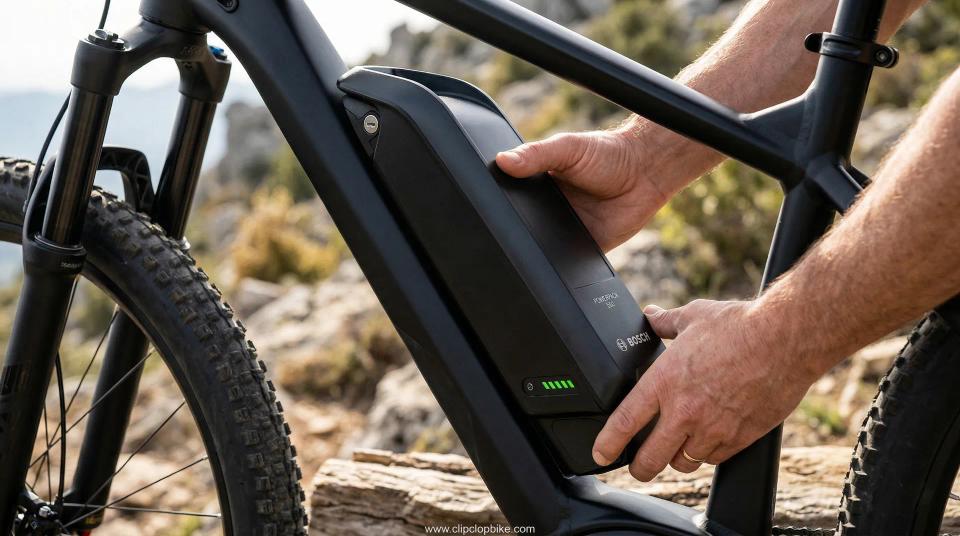
How to Choose E-Bike Battery Capacity: A Practical Sizing Guide
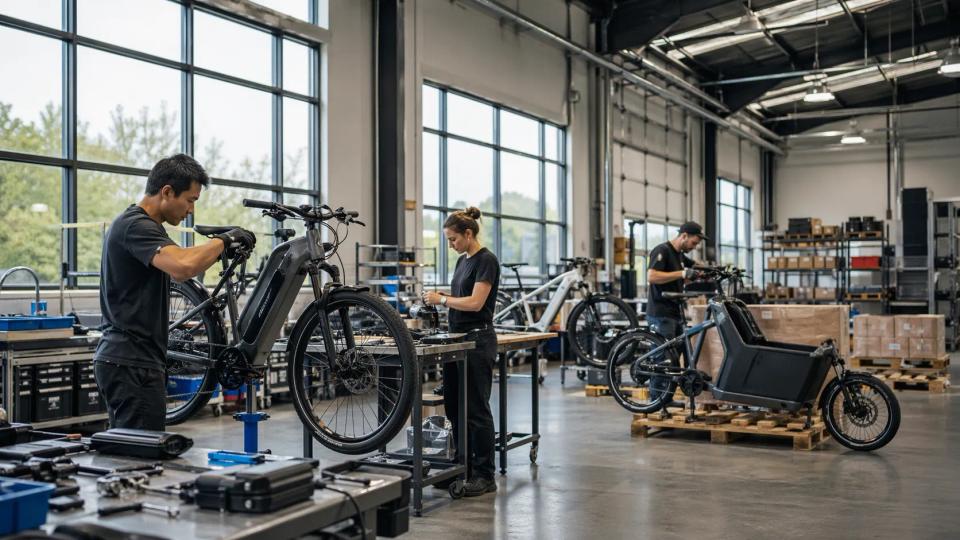
Top 10 Electric Bike Manufacturers in North America: A Practical Guide for 2026
Send your brief. We will field-note back.
Reply includes the feasibility view, sample cost, MOQ, and the next step for your project. We aim to respond within 48 hours.